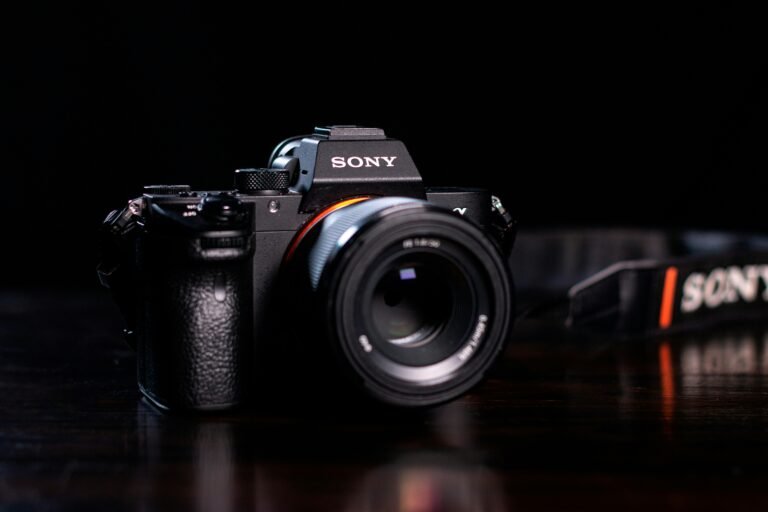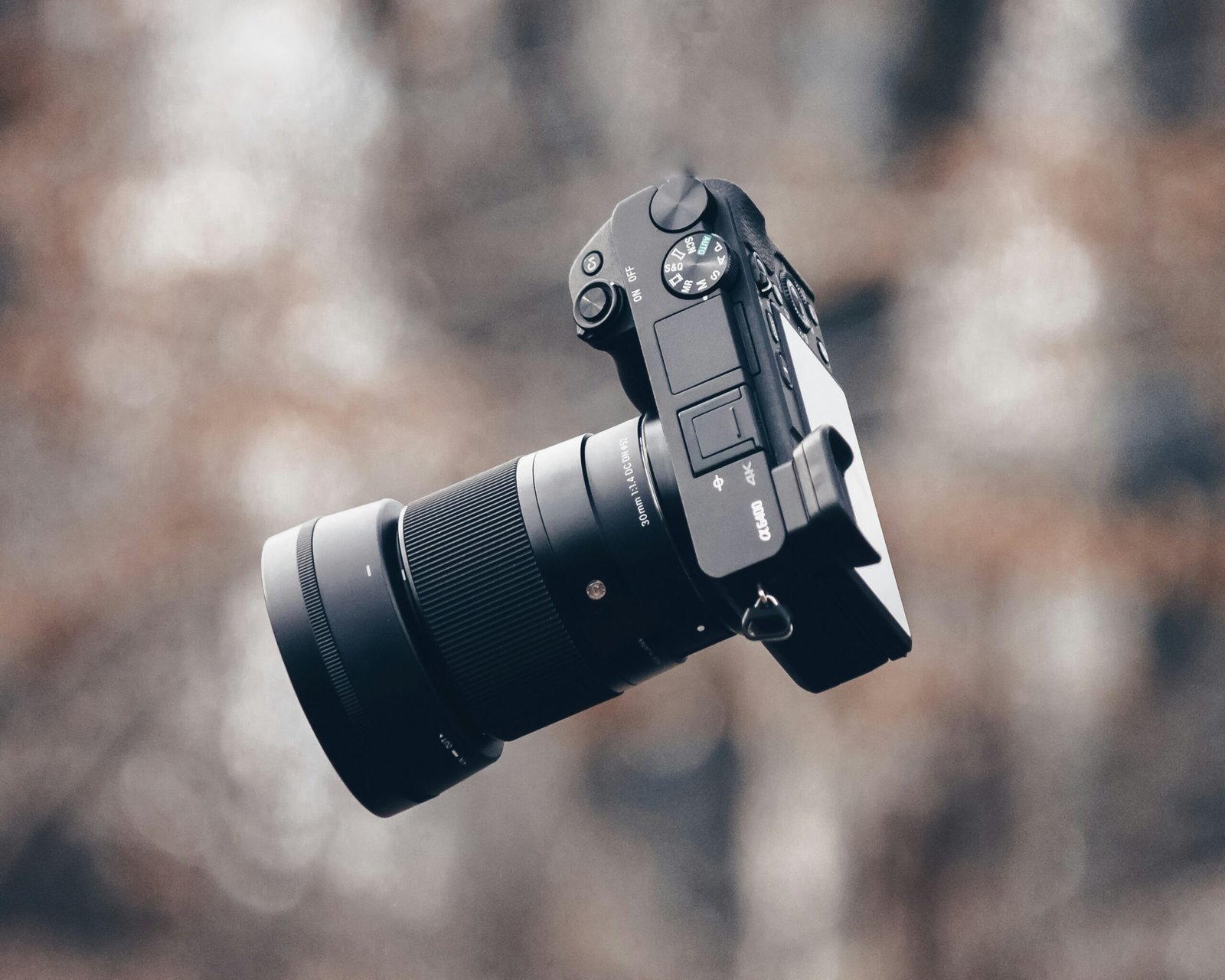

Sony’s APS-C “α6000 series” includes seven models: α6000, α6300, α6400, α6500, α6600, α6100, and α6700.
Looking at the model numbers alone, it’s hard to tell which one is newer, or which one actually fits your needs.
The lineup has spanned about 10 years, from the α6000 in 2014 to the α6700 in 2023.
You’d assume a higher number means a newer camera, but that’s not always true.
- The α6500 was released before the α6400
- The α6100 came out after the α6400, despite being the lower-tier model
In this article, I’ll line up all seven models — current and discontinued — and break down which one to buy based on your use case.
Here’s the short answer: only two models are currently in production.
- Newest: α6700
- One generation back: α6400
If your budget allows, the α6700 is the safe, no-regrets choice.
If you want something more affordable or lighter, the α6400 (or one of the other models) is worth considering.
*As an Amazon Associate, I earn from qualifying purchases.
Table of Contents
Lineup by Release Year
- 2014
- α6000: The original model. The lightest and most affordable in the series.
- 2016
- α6300: Successor to the α6000. Added 4K video.
- α6500: Built on the α6300, with in-body image stabilization added as the higher-end option.
- 2019
- α6400: The true successor to the α6300. Major AF improvements with AI-driven Eye AF and tracking.
- α6100: A budget version of the α6400, released later but positioned below it.
- α6600: The successor to the α6500. Adds image stabilization and a large-capacity battery.
- 2023
- α6700: The current flagship. A full generation ahead, with an AI processing unit.
By release timing, the models fall into three groups: “α6300 / α6500,” “α6400 / α6100 / α6600,” and “α6700.” Models within the same group share similar core specs (resolution, sensor), and are differentiated mainly by image stabilization and price.
Understanding the Generations at a Glance
- 1st generation: α6000
The oldest and lightest. Video tops out at Full HD, and AF is basic by today’s standards. Good for anyone who wants to start cheap. - 2nd generation: α6300 / α6500
The generation that added 4K video. Only the α6500 has image stabilization, at a higher price. - 3rd generation: α6400 / α6100 / α6600
A major leap in recognition AF (Eye AF, animal Eye AF). The α6400 is the core model, the α6100 its budget version, and the α6600 the stabilized, higher-end version. - 4th generation: α6700
The current flagship, packing AI-based subject recognition, 4K 60p / 10-bit video, and image stabilization all in one body.
Model-by-Model Breakdown
α6000 (ILCE-6000) | Lightest · Entry-level · Discontinued

- 24 MP APS-C CMOS sensor ISO 100-25600 and Focus Sensitivity Range :EV 0 to EV 20 (at ISO 100 equivalent with F28 lens at…
- Operating temperature:32-104°F / 0-40°C.Hybrid AF with 179-point focal plane phase-detection and 25 contrast detect poin…
- Up to 11 FPS continious shooting, Compatible OS:Windows Vista SP2*8, Windows 7 SP1, Windows 8, Windows 81, Mac OS X (v10…
The original model in the series, launched in 2014. Still a solid choice on the used market — the lightest and cheapest body around.
- APS-C / approx. 344g
- Release date: March 2014
- Resolution: approx. 24.3MP / Video: Full HD (AVCHD/MP4, no 4K)
- ISO: 100–25600 / LCD: Tilting (no selfie flip, no touch)
- Dimensions: approx. 120.0 × 66.9 × 45.1mm / Viewfinder: Yes
- Battery: NP-FW50 (approx. 360 shots LCD / approx. 310 shots EVF) / 30-min recording limit: Yes (approx. 29 min)
Best for anyone who wants to try an interchangeable-lens camera cheaply. Not for video — this one’s for stills only.
Pros: Lightest in the series, built-in flash Cons: No 4K, no weather sealing, no selfie screen, no image stabilization, 30-min recording limit, slowest AF in the series
α6300 (ILCE-6300) | 4K-capable · Discontinued

- FASTER AUTOFOCUS: Shoot up to 11fps with 425 phase detection auto focus points and 0.05 sec AF speed
- INCREDIBLE PHOTOGRAPHY: Advanced 24.2 MP Exmore CMOS sensor expands sensitivity and minimizes noise
- ELECTRONIC VIEWFINDER: Cameras feature a high resolution XGA OLED Tru-Finder for enhanced viewing
The successor to the α6000. The first in the series to support 4K video, with AF points jumping to 425.
- APS-C / approx. 404g
- Release date: March 2016
- Resolution: approx. 24.2MP / Video: 4K
- ISO: 100–25600 (extended up to 51200) / LCD: Tilting (no selfie flip, no touch)
- Dimensions: approx. 120.0 × 66.9 × 59.6mm / Viewfinder: Yes
- Battery: NP-FW50 (approx. 400 shots LCD / approx. 350 shots EVF) / 30-min recording limit: Yes (approx. 29 min)
Good for anyone who wants 4K on a budget — one step up from the α6000.
Pros: 4K video, silent shooting, built-in flash Cons: No weather sealing, no touchscreen, no selfie screen, no image stabilization, 30-min recording limit
α6500 (ILCE-6500) | Stabilized · Discontinued

- 24.2MP APS-C Exmor sensor w/ advanced processing up to ISO 51.200
- Wide 425 phase detection AF points, Fast 0.05 sec. AF acquisition
- 5-axis in-body image stabilization steadies every lens. Silent Shooting. Noise Reduction :Long exposure NR: On/Off, avai…
Built on the α6300, with the series’ first 5-axis in-body image stabilization. A discontinued higher-end model.
- APS-C / approx. 453g
- Release date: December 2016
- Resolution: approx. 24.2MP / Video: 4K
- ISO: 100–25600 (extended up to 51200) / LCD: Tilting, touch-enabled (no selfie flip)
- Dimensions: approx. 120.0 × 66.9 × 64.4mm / Viewfinder: Yes
- Battery: NP-FW50 (approx. 350 shots LCD / approx. 310 shots EVF) / 30-min recording limit: Yes (approx. 29 min)
Good if you want stabilization for low light or telephoto shots but don’t want to pay α6700 prices. Selfie shooting isn’t a priority for you.
Pros: In-body stabilization (a series first), weather sealing, touchscreen, silent shooting Cons: No built-in flash, no selfie screen, 30-min recording limit, heaviest of the three mid-tier models
α6400 (ILCE-6400) | Current · Weather-sealed · Affordable

- Next Gen speed: experience the world’s fastest 0. 02 sec AF with real-time AF and object tracking
- Enhanced subject capture: wide 425 Phase/ 425 contrast detection points over 84% of the sensor
- Fast and accurate: up to 11Fps continuous shooting at 24. 2MP raw with crisp, clear natural colors
Equipped with Eye AF and real-time tracking, a big step forward in AF. The core model in the current lineup.
- APS-C / approx. 403g
- Release date: February 2019
- Resolution: approx. 24.2MP / Video: 4K (30p)
- ISO: 100–32000 (extended to 102400) / LCD: 180° tilting, selfie-friendly, touch-enabled
- Dimensions: approx. 120.0 × 66.9 × 49.9mm / Viewfinder: Yes
- Battery: NP-FW50 (approx. 410 shots LCD / approx. 360 shots EVF) / 30-min recording limit: No (lifted since 2019)
Good if you want a new camera right now that’s reasonably light and reasonably durable. You’re fine relying on lens-based stabilization instead of in-body.
Pros: Currently in production, one of the fastest AF in the series (0.02 sec), weather sealing, touchscreen, selfie-friendly (180°), built-in flash, no recording limit Cons: No image stabilization
α6600 (ILCE-6600) | Stabilized · Large Battery · Discontinued

- World’s fastest AF at 0 02 sec W/ real-time AF & Object tracking
- 24 2MP APS-C Exmor sensor w/ front end LSI and ISO up to 102 400
- Wide 425-phase/425-contrast detection AF points over 84% of sensor
Combines the α6400’s AF with image stabilization and a large battery — the higher-end model in the α6400 family. The first APS-C model to use Sony’s Z-battery (NP-FZ100).
- APS-C / approx. 503g
- Release date: November 2019 (unconfirmed; announced August 28, 2019)
- Resolution: approx. 24.2MP / Video: 4K (Super 35mm, roughly 6K oversampling)
- ISO: 100–32000 (extended 50–102400) / LCD: 180° tilting, selfie-friendly, touch-enabled
- Dimensions: approx. 120.0 × 66.9 × 69.3mm / Viewfinder: Yes
- Battery: NP-FZ100 (about 2.2x the capacity of NP-FW50; approx. 810 shots LCD / approx. 720 shots EVF) / 30-min recording limit: No (unlimited)
Good for anyone who shoots video too, does longer sessions, but can’t quite justify α6700 pricing. Buying used is a good way to get the higher-end features on a budget.
Pros: Image stabilization, dramatically better battery life with NP-FZ100, weather sealing, touchscreen, selfie-friendly (180°), fast AF, no recording limit Cons: No built-in flash, heaviest in the series
α6100 (ILCE-6100) | Light · Budget · Discontinued

- World’s fastest AF at 0.02 sec. W/ real-time AF & Object tracking
- Wide 425-phase/425-contrast detection AF points over 84% of sensor
- 24.2MP APS-C Exmor sensor w/ front end LSI and ISO up to 51,200
AF performance close to the α6400, with some assist features trimmed to hit a lower price point.
- APS-C / approx. 396g
- Release date: September 2019 (unconfirmed; announced August 28, 2019)
- Resolution: approx. 24.2MP / Video: 4K (30p)
- ISO: 100–32000 (extended up to 51200) / LCD: 180° tilting, selfie-friendly, touch-enabled
- Dimensions: approx. 120.0 × 66.9 × 59.4mm / Viewfinder: Yes
- Battery: NP-FW50 (approx. 420 shots LCD / approx. 380 shots EVF) / 30-min recording limit: No (lifted since 2019)
Good if you want the newer-generation AF as light and cheap as possible, and don’t care much about weather sealing or build quality.
Pros: One of the fastest AF in the series (0.02 sec), touchscreen, selfie-friendly (180°), built-in flash, no recording limit, lightweight Cons: No weather sealing, no image stabilization
α6700 (ILCE-6700) | Current · Fully-Loaded · Flagship

- 26.0MP APS-C format Exmor R back-illuminated CMOS sensor
- BIONZ XR processing power for exceptional image quality
- Dedicated AI Processor and Real-time Recognition for accurate subject tracking
The series’ latest flagship, with AI-based subject recognition AF and 4K 60p / 10-bit video.
- APS-C / approx. 493g
- Release date: July 2023
- Resolution: approx. 26MP (stills) / approx. 19.9MP (video)
- ISO: 100–32000 (extended 50–102400) / LCD: Vari-angle, selfie-friendly, touch-enabled
- Dimensions: approx. 122.0 × 69.0 × 75.1mm / Viewfinder: Yes
- Battery: NP-FZ100 / 30-min recording limit: No (lifted since 2019)
Good if price isn’t a concern and you don’t want to compromise on stills or video. Ideal if you need AF that can track animals and birds, or video with strong editing headroom.
Pros: Currently in production, image stabilization, NP-FZ100 battery, weather sealing, touchscreen, selfie-friendly (vari-angle), no recording limit, USB-C charging, AI-based subject recognition, 4K 60p / 10-bit video Cons: No built-in flash, the most expensive in the series
Summary / How to Choose
Rather than “higher number = newer,” it helps to think of the α6000 series as four generational blocks:
- α6000 generation
- α6300 / α6500 generation
- α6400 / α6100 / α6600 generation
- α6700 generation
If you pick from the 3rd generation onward (α6400, α6100, α6600 — all launched in 2019), you won’t run into issues with the basics: AF is fast, selfie shooting works, and there’s no 30-minute recording limit.
From there, the easiest way to narrow things down is to first decide whether you’re optimizing for features (α6700) or for affordability (α6400).
If features are the priority
- 26.0MP APS-C format Exmor R back-illuminated CMOS sensor
- BIONZ XR processing power for exceptional image quality
- Dedicated AI Processor and Real-time Recognition for accurate subject tracking
- α6700: For anyone who wants the newest, strongest feature set, budget aside. (My top pick.)
- α6600: A step down in price from the α6700, while keeping image stabilization and long battery life.
If light weight and affordability are the priority
- Next Gen speed: experience the world’s fastest 0. 02 sec AF with real-time AF and object tracking
- Enhanced subject capture: wide 425 Phase/ 425 contrast detection points over 84% of the sensor
- Fast and accurate: up to 11Fps continuous shooting at 24. 2MP raw with crisp, clear natural colors
- α6400: The best all-around balance of price, weight, and features.
- α6100: Even cheaper than the α6400, if that’s what matters most.
Decide first whether “features” or “budget” matters more to you, and you’ll be able to narrow down all seven models to the right one without much trouble.